
The origins of casino culture
Casino culture traces its origins back to ancient civilizations where games of chance and skill were commonly played. The earliest evidence of gaming dates back to the Chinese, who created rudimentary games as far as 2300 BC. These primitive games laid the groundwork for the structured forms of gambling that would emerge in later societies. In ancient Rome, for example, dice games and betting on gladiatorial contests became popular among the citizens, signifying the long-standing human fascination with risk and reward, just as players today enjoy the best online pokies that offer thrilling experiences and substantial prizes. These early forms of gaming not only provided entertainment but also served as a social activity that brought people together.
During the Middle Ages, gambling spread through Europe, leading to the establishment of the first gaming houses in Italy. The term “casino” itself derives from the Italian word for a small country house or villa where people gathered for leisure and games. By the 17th century, these establishments began to formalize gambling practices, incorporating rules and regulations that would eventually evolve into the modern casino concept. This evolution reflected societal changes, where gambling began to be seen not just as a pastime, but also as a potential source of income, leading to a more structured approach to betting and gaming.
The concept of casinos gained further prominence during the Enlightenment, as gaming houses became centers of social interaction among the elite. The establishment of the first official casino, the Casino di Venezia, in 1638 marked a pivotal development in casino culture. It provided a setting for not just gambling but also entertainment and social gatherings. This evolution highlights how casinos began to serve as both leisure venues and hubs for social networking, laying the foundations for the vibrant culture that casinos enjoy today, where high-stakes gaming and social mingling coexist seamlessly.
The rise of modern casinos
The late 19th and early 20th centuries saw the rise of modern casinos, particularly in Europe and North America. The opening of Monte Carlo Casino in Monaco in 1863 marked a significant shift, as it became synonymous with luxury, glamour, and high-stakes gambling. This era witnessed the establishment of casinos as lavish entertainment complexes featuring dining, shows, and other forms of amusement, appealing to a broader audience beyond just gamblers. The transformation of casinos from simple gambling houses to grand destinations marked a pivotal moment in their evolution, attracting not only serious players but also socialites and tourists seeking entertainment.
In the United States, the legalization of gambling in Nevada in 1931 sparked a casino boom. Las Vegas emerged as the epicenter of this new casino culture, attracting millions of visitors with its extravagant hotels and casinos. The famous Las Vegas Strip showcased the convergence of opulence and entertainment, as the presence of renowned performers and extravagant shows became synonymous with the casino experience. This era cemented Las Vegas as a cultural icon, symbolizing both the allure and excesses of gambling, where the city itself became a playground for adults looking for excitement and adventure.

Moreover, the advent of technology has played an integral role in shaping modern casinos. The introduction of electronic gaming machines in the mid-20th century revolutionized the gambling experience, making it easier for players to engage and compete. The rise of online casinos in the 1990s further transformed the landscape, allowing players worldwide to access games from the comfort of their homes. This blend of tradition and innovation illustrates the adaptability of casino culture to changing societal trends and technological advancements, making gaming more accessible and appealing to diverse audiences.
Cultural influences on global casino practices
The evolution of casino culture is deeply intertwined with regional cultural practices and beliefs. In some parts of Asia, such as Macau, gambling has a profound social significance, deeply embedded in local customs. The influx of Chinese tourists in the 21st century transformed Macau into the “Gambling capital of the world,” showcasing how cultural acceptance of gaming can shift economic landscapes. This has led to the rapid development of integrated resorts that blend luxury accommodations, dining, and entertainment, reaffirming the role of casinos in cultural and economic exchanges, where they serve not just as gambling venues but as multifaceted entertainment hubs.
In contrast, European casino culture often emphasizes elegance and tradition. Countries like France and Italy have a rich history of gambling integrated into their lifestyles, accentuated by the elegance of their gaming houses. The traditional dress code and decor in these establishments often reflect local customs, attracting both locals and tourists who appreciate the intricate blend of history and entertainment. This cultural significance associated with casinos illustrates how gambling venues can serve as custodians of local heritage and identity, fostering a sense of pride and continuity among their patrons.
Interestingly, developing countries are also witnessing a burgeoning interest in casino culture. Nations such as the Philippines and Vietnam are investing in casino resorts to stimulate tourism and economic growth. By incorporating local elements into their designs and operations, these casinos aim to create a unique experience that resonates with both international visitors and local communities. The ongoing expansion of casino culture globally highlights its potential for economic development while navigating the complexities of cultural acceptance, ultimately shaping a diverse tapestry of gaming experiences worldwide.
The impact of regulations and societal views
The growth of casino culture cannot be divorced from the regulations and societal views surrounding gambling. In many regions, particularly in the United States, attitudes toward gambling have evolved significantly over the past few decades. The initial perception of gambling as a vice has gradually shifted toward recognizing its economic benefits, such as job creation and increased tourism. As a result, many states have relaxed their gambling laws, allowing casino operators to flourish and contribute to local economies. This shift reflects a broader acceptance of gambling as a legitimate form of entertainment.
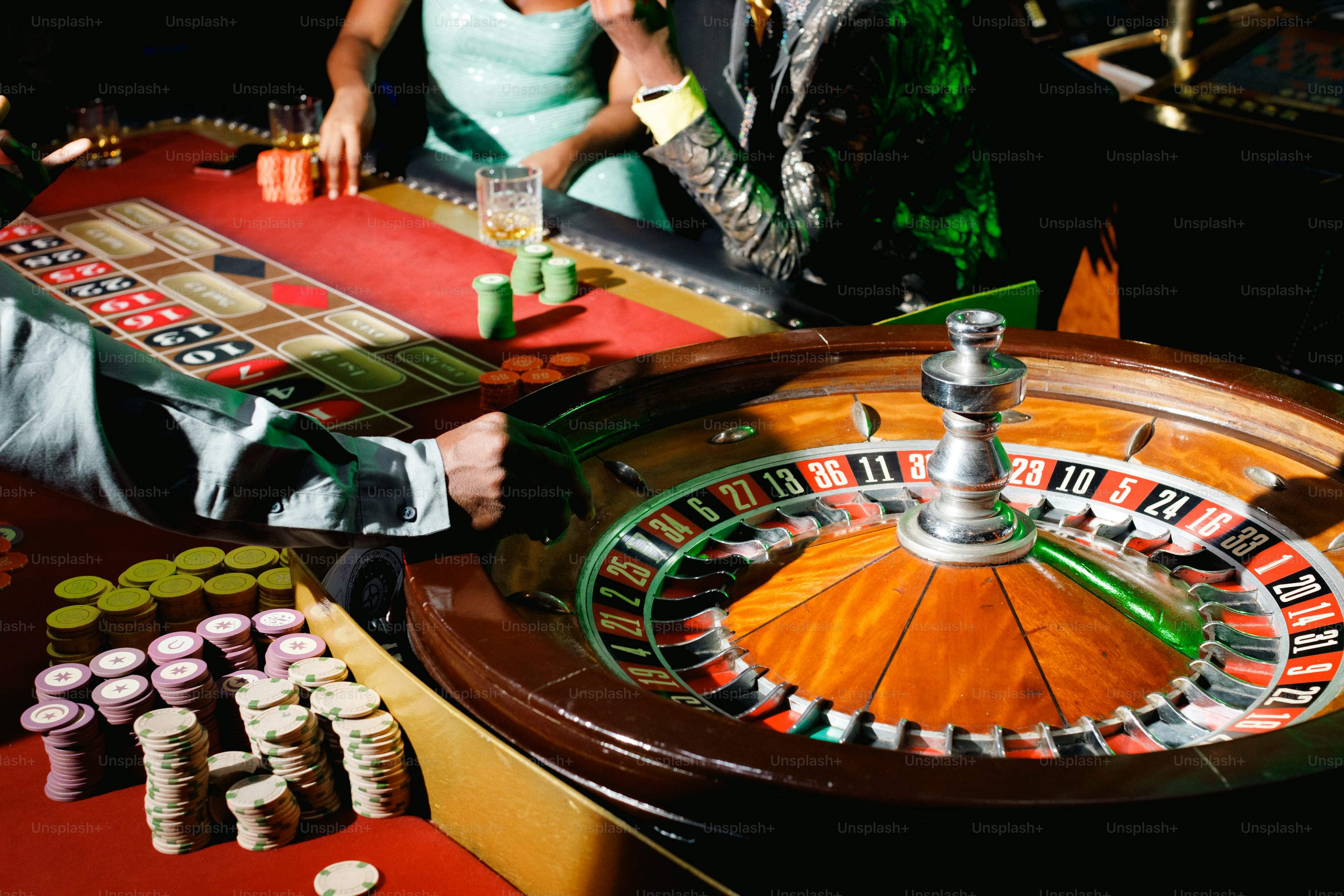
However, this shift is not without challenges. On the flip side, concerns regarding problem gambling and its impact on individuals and families continue to prompt discussions about regulations. Governments are now tasked with finding a balance between promoting economic benefits while ensuring responsible gambling practices are in place to safeguard vulnerable populations. This dual focus on growth and responsibility underscores the complexity of casino culture as it continues to evolve, navigating the fine line between economic opportunity and social responsibility.
In regions where gambling remains controversial, cultural attitudes can significantly influence the casino landscape. Countries with strict gambling laws often see underground gaming activities, indicating a persistent demand for gambling entertainment. In contrast, where gambling is embraced, casinos often reflect the values and norms of society, offering platforms for entertainment while fostering a sense of community. The interplay between societal views and regulatory frameworks plays a crucial role in shaping the future trajectory of casino culture worldwide, determining how it integrates into different societal contexts.
Exploring the future of casino culture
The future of casino culture is likely to be shaped by technological advancements and shifting consumer preferences. With the rise of mobile gaming applications and virtual reality, the casino experience is set to become increasingly immersive. Gamblers may find themselves engaging with games in ways previously unimagined, bringing a new level of excitement and interaction. The integration of artificial intelligence into gaming operations is also expected to enhance user experiences, providing tailored recommendations and personalized gaming environments that cater to individual preferences and habits.
Moreover, sustainability and social responsibility will likely play pivotal roles in the future of casino culture. As awareness of environmental issues rises, casinos are exploring eco-friendly practices, from energy-efficient designs to waste reduction initiatives. Additionally, casinos are increasingly investing in programs to support responsible gaming, helping to combat addiction and promote safe gambling practices. These efforts reflect a broader societal trend toward accountability and sustainability, which will likely define the landscape of casinos moving forward, influencing not just operations but also public perception.
Lastly, as globalization continues to shape cultural exchanges, casinos may become even more reflective of local traditions while catering to international audiences. The blending of various cultural elements within casinos can create unique experiences that resonate with diverse demographics. This evolution will likely contribute to an enriched global casino culture, with each establishment offering something distinctly different, yet universally appealing. Through this lens, the ongoing evolution of casinos signifies a dynamic intersection of entertainment, culture, and technology, promising exciting possibilities for the future of gaming experiences worldwide.